An Explainer: What Is a Sensitivity Read and When Do You Need One?
You have written a character whose life is not yours. Perhaps it is a fifteen-year-old in foster care, a Sikh grandmother in Coventry, or a man adjusting to life after a spinal injury. You have read widely, listened carefully, and tried hard to get it right. Something still nags: what if a detail lands badly? A sensitivity read is one of the most useful checks a fiction author can arrange — and one of the most misunderstood.
What a sensitivity read actually is
A sensitivity read is a manuscript review by someone with lived experience of, or deep expertise in, a specific identity, community, culture, religion, disability or health condition. You send your pages. They send back notes on how that experience comes across.
They are looking for passages that lean on stereotype, language that has dated, behaviour that does not match the reality of a character's situation, cultural detail that is slightly off, and histories handled carelessly. Good readers also tell you what works, which matters just as much — you need to know which scenes to protect while you revise.
They are not there to rewrite your book, smooth out your voice, or hand you a list of banned words. Their job is to show you how a page is likely to land for a reader who knows that life first-hand. You remain the author.
How it differs from the other passes on your manuscript
It helps to place the read alongside the rest of your editorial process, because it is not a substitute for any of it.
- Beta readers are your target audience, reacting to story, pace and whether they wanted to keep reading.
- Developmental editors work on structure, character arc and the shape of the whole book.
- Sensitivity readers bring a specialist lens to representation within your manuscript.
- Fact-checkers ask whether something is possible — a procedure, a timeline, a legal process.
- Copy-editors and proofreaders handle style, grammar, consistency and typos.
When you should consider booking one
Not every novel needs a sensitivity read, and paying for one out of habit is not the point. Ask whether your book is making claims about a life you have not lived. If it is, the read is worth serious thought. Common triggers:
- A character's identity, faith, disability or health condition is central to the plot rather than decorative.
- You are writing from the point of view of someone whose experience you have not had.
- The book deals with trauma, oppression or a community's history, and you want to avoid repeating tired narratives.
- You have researched thoroughly but never discussed the subject with anyone who has lived it.
- You are publishing to a readership that will include the community you are writing about — and would rather hear the note from a paid reader than in a review.
By contrast, a walk-on character with a name and a coffee order probably does not need a specialist read. The question is not "does this character differ from me?" but "am I claiming to know what that life is like?" If the answer is no, save your money. If it is yes, book the read.
Where it sits in your process
Timing matters more than most authors expect. A sensitivity read works best after the structural work is done and before the copy-edit and proofread. Ask too early and you will receive notes on scenes you are about to cut. Ask too late and you will be making changes at proof stage, when every amendment costs you and your typesetter time.
For many writers, the sweet spot is a full read after the second or third draft, then a shorter check on the chapters that changed substantially.
How to brief a reader
A vague brief gets vague notes. Be specific, and be honest about what you want back.
- Say exactly what you are sending. Full manuscript or extracts, word count, and when you will send it.
- Name the lens. "Notes on how I have written Ravi's relationship with his Tamil family, and his stammer" is far more useful than "notes on diversity".
- Give context. Genre, intended audience, setting, period, and your own relationship to the subject — including where you are writing from outside your experience.
- Ask for the format you want. A written report with page references, comments in the margin, or a call. Ask for positives as well as problems.
- Flag your worries. If one scene worries you, say so and ask about it directly.
- Be clear about the stage. Tell them it is a third draft, that a revision will follow, and whether you plan to come back.
- Agree the practicalities in writing. Fee, timescale, what happens if you are late, and whether they would like a credit or to stay anonymous.
Working with the notes you get back
Reports usually arrive as a document with page-referenced comments grouped by theme. Read it once without touching your manuscript. Then read it again with the file open beside you.
Resist two temptations. The first is treating the report as a verdict. It is one informed reading, not a pass or fail. The second is treating the reader as a spokesperson for everyone in that community. Readers disagree with one another, and one person's note is one person's view.
Look past individual words to the pattern underneath. If a note says a character feels passive, the fix is rarely a synonym; it is agency — giving them decisions, consequences and a stake in the scene. If a note says a community feels like set dressing, the answer is usually to let its members want things that have nothing to do with your protagonist's journey.
If a note does not fit your book, you may keep your scene — but be able to say why, and check whether the page gives readers enough to understand your intent. Where revisions are substantial, it is reasonable to ask the same reader to look at the changed chapters.
Cost, timing and one caveat
Readers set their own rates and those rates vary widely, so ask early and agree the fee in writing before you send anything. Good readers are often booked weeks ahead. If your budget is tight, consider extracts, a single read-and-call, or swapping reads with another writer working on similar ground. If your novel touches on real people, defamation, privacy or contractual matters, take proper legal advice — a sensitivity read is editorial feedback, not legal clearance.
Before you book
Run through three questions. Is this character's experience central enough that getting it wrong would damage the book? Do I want notes from someone who knows this life, rather than another general reader? Can I write a brief specific enough to be genuinely useful?
If the first two are yes and the third is yes after ten minutes of work, you are ready. The authors who gain most from a sensitivity read treat it as a conversation with a knowledgeable colleague, not a test they can pass or fail.
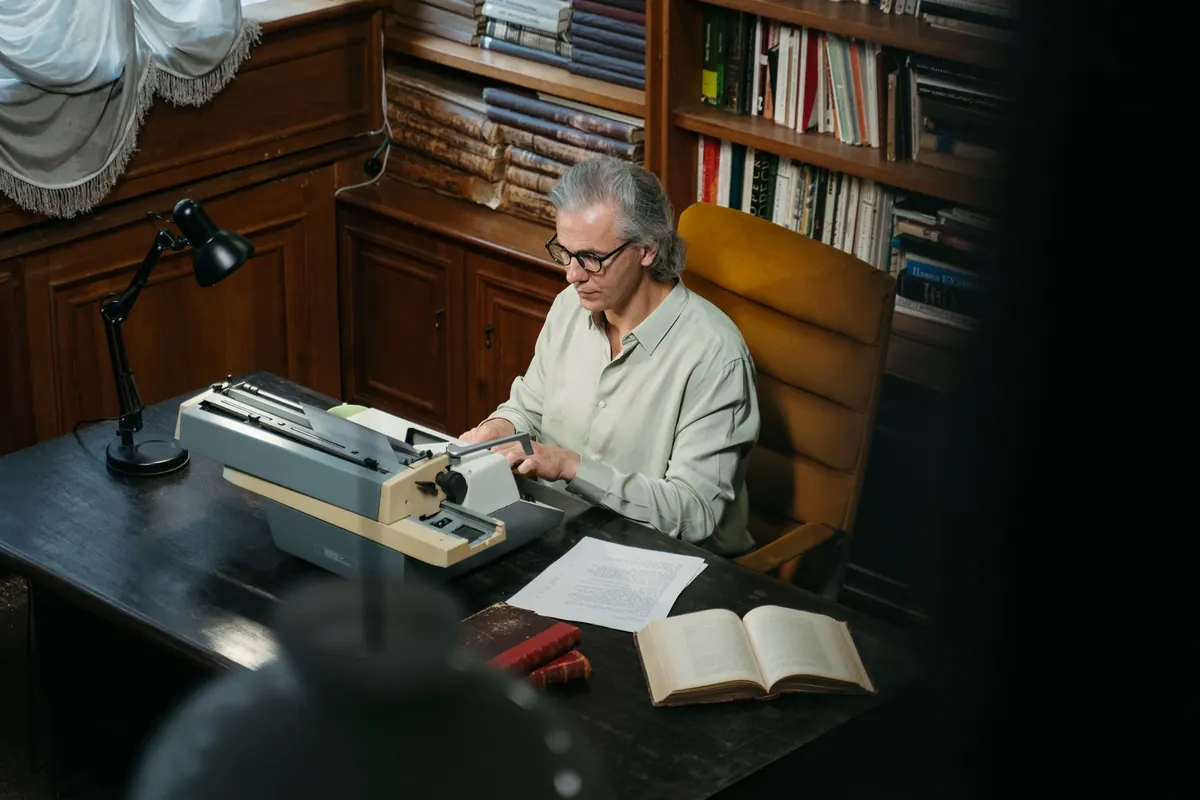
Photo: Tima Miroshnichenko / Pexels