How to Organise a Successful Author Event at an Independent Bookshop
A good author event looks effortless. The room is full, the reading lands, the queue at the signing table keeps moving, and the bookseller is still smiling when the last person leaves. What nobody sees is the six weeks of emails, lists and small decisions behind it. Independent bookshops host these evenings because they believe in them, but they run on thin staffing and tight space. The more of the organising you carry yourself, the more likely your event becomes one the shop will happily repeat.
Pitch the shop before you pitch the date
Start by working out which shop suits your book. A crime novel belongs in the shop with a serious crime table; a memoir about growing up in a particular town belongs in the shop nearest those streets. Visit first, buy something, and ask who handles events — in a small shop it may be the owner.
When you write, keep it concrete: who you are, what the book is, who will come, and what you can offer. A local connection, an existing readership, a subject that overlaps with a society or a school — all of it counts. Suggest a window of dates rather than one fixed evening, and be honest about numbers. If you expect fifteen people, say fifteen. A shop prepared for fifteen will look after them well.
Agree the details in writing
Six to eight weeks' lead time is a sensible minimum, longer if you want to appear in printed listings. Avoid clashing with the town's other fixtures. Ask which evenings work for them; Tuesday and Thursday often suit, but their calendar decides.
Before you invite anyone, confirm by email: the date, the start time, how long you have, whether there is a break, who introduces you, and how books will be sold. Confirm how many copies they plan to order, and whether they want you to supply any yourself. One clear message you can both refer back to saves a great deal of muddle.
Fill the room with real people
Announcing the event online is not the same as filling it. Build a list and work through it in groups:
- People who know you: friends, family, colleagues, your writing group, the book club you drifted away from.
- People who care about the subject: the local history society, the rambling group, a school department, a charity you have worked with.
- People the shop can reach: their newsletter, a poster in the window, a mention at their other events.
- People who owe you a favour, and will come if you ask them directly.
Personal invitations beat a mass email every time. Send a short note saying why you thought of them. Ask half a dozen reliable friends to bring one other person each. Collect RSVPs so you can give the shop a rough number, but assume a few who promise will not come.
Prepare a reading that works out loud
Two short passages hold a room better than one long one. Choose something with voices, movement or dialogue rather than description. Twelve to fifteen minutes of reading is plenty; the rest of the evening should be conversation.
Rehearse standing up, and with a microphone if the shop has one. Print your passages in large type with generous spacing, and mark the pauses. Practise your first line until you could say it in a power cut. Ask someone else to read your introduction — hearing your own biography read aloud by yourself is rarely charming.
Handling the questions
Have three or four things ready to talk about: why you wrote the book, the part that surprised you, where a particular scene came from. Repeat each question before you answer so the back of the room hears it. Keep answers short and stop while people are still interested. If silence falls, ask the audience something instead — what they made of a character, or whether anyone recognises the street you wrote about.
Make the signing run smoothly
Signing is where a good evening can turn into a shuffle. A few arrangements make a real difference.
- Ask for the table to be near the exit or the till, not beside the stage, so people pass it naturally.
- Bring two pens you enjoy writing with, and test them on a spare copy — some inks bleed through thin paper.
- Decide your signature in advance, and whether you will add a line or a date. Consistency looks professional.
- Ask each person's name and how it is spelt, then write it slowly. Get it wrong and the book becomes a disappointment.
- Keep the conversation warm and brief while there is a queue, and longer for the last few people, who are often the ones who have read you closely.
- Have bookmarks or cards on the table, plus a notebook for anyone who wants to hear about the next book.
Small things on the night
Arrive early enough to check the layout, the microphone and where the water is. Thank the bookseller by name at the start, and mention their next event while you have the room. Buy a book yourself. Ask a friend to take a handful of photographs — the shop will use them and so will you. Do not dismantle your table the moment the last question ends. The conversations that happen while the chairs are being stacked are often the ones that lead somewhere.
Follow up, then do it again
Before you leave, count the copies sold with the bookseller, or agree that they will email you the figure. Send a thank-you note the next morning and mean it — mention something specific they did well. Ask whether they would like you back for the next book, and whether they can suggest another shop in the region that might suit you.
Post the photographs, tag the shop, and add your new contacts to your list with their permission. A well-run event at an independent bookshop is not a one-off. It is the start of a relationship with a bookseller who will hand-sell your next book to the right customer at the right moment — which is worth more than any single evening's takings.
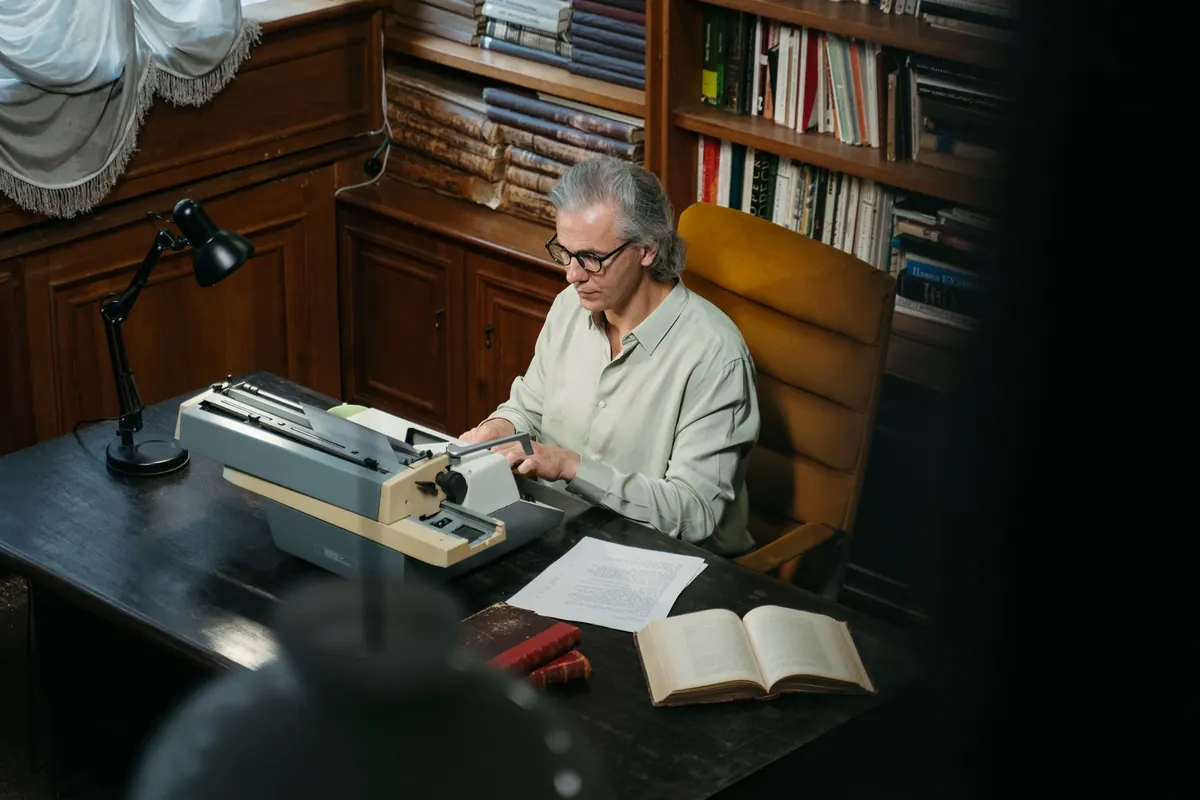
Photo: Ksenia Chernaya / Pexels